
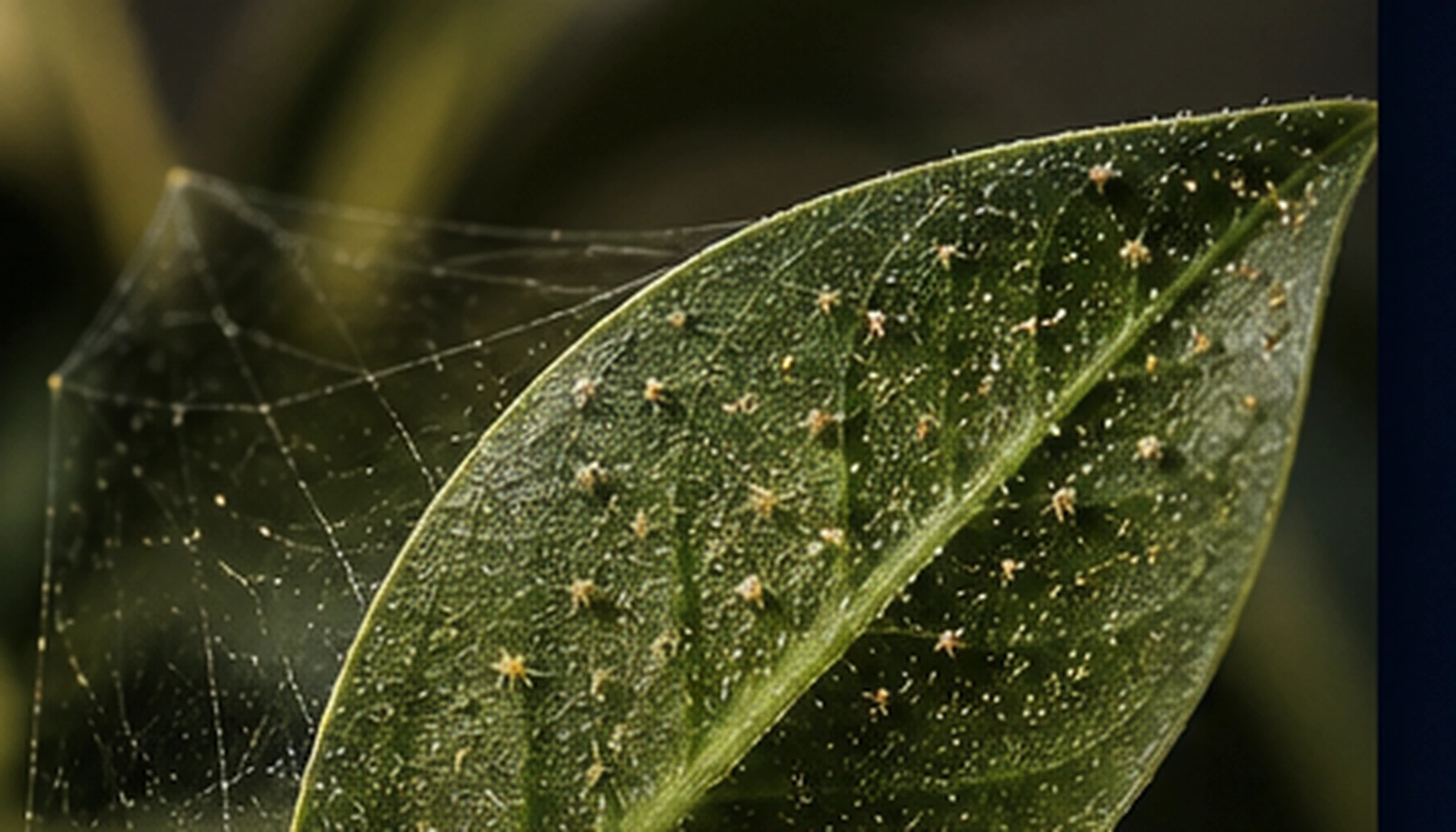
Overview
Spider mites is a mite pests issue commonly seen on leaves, stems in home plant care. It is often linked to environmental stress, airflow, humidity, watering practices, or insufficient quarantine of new plants. Early identification and isolation greatly reduce spread.
How to identify it
Typical signs include abnormal leaves condition, color or texture changes, stalled growth, and in more serious cases yellowing, spots, wilting, rot, or visible pests/disease marks.
Prevention
Maintain suitable light, airflow, and watering intervals; quarantine new plants; inspect leaf undersides, nodes, and potting mix; avoid chronic wetness, standing water, and excessive fertilizer.
Lower-risk treatment
Isolate the plant first and remove badly affected tissue. Clean foliage, improve airflow, adjust watering, and replace unsuitable potting mix as needed. For pests, start with rinsing or manual removal; for diseases, reduce leaf wetness and sanitize tools.
Treatment steps
- Isolate the plant and document symptoms with photos.
- Inspect leaf undersides, nodes, roots, and potting mix to confirm the extent.
- Remove badly affected or rotten tissue and sanitize tools.
- Adjust watering, light, airflow, and potting mix conditions.
- Monitor for 7 to 14 days; if decline continues, consult a local horticulture professional.
Chemical treatment and safety
If a chemical product is needed, use only locally registered home-garden products labeled for the plant and issue. Follow the label exactly, do not mix products, and avoid increasing concentration. Prefer non-chemical options around children, pets, and sensitive users.